






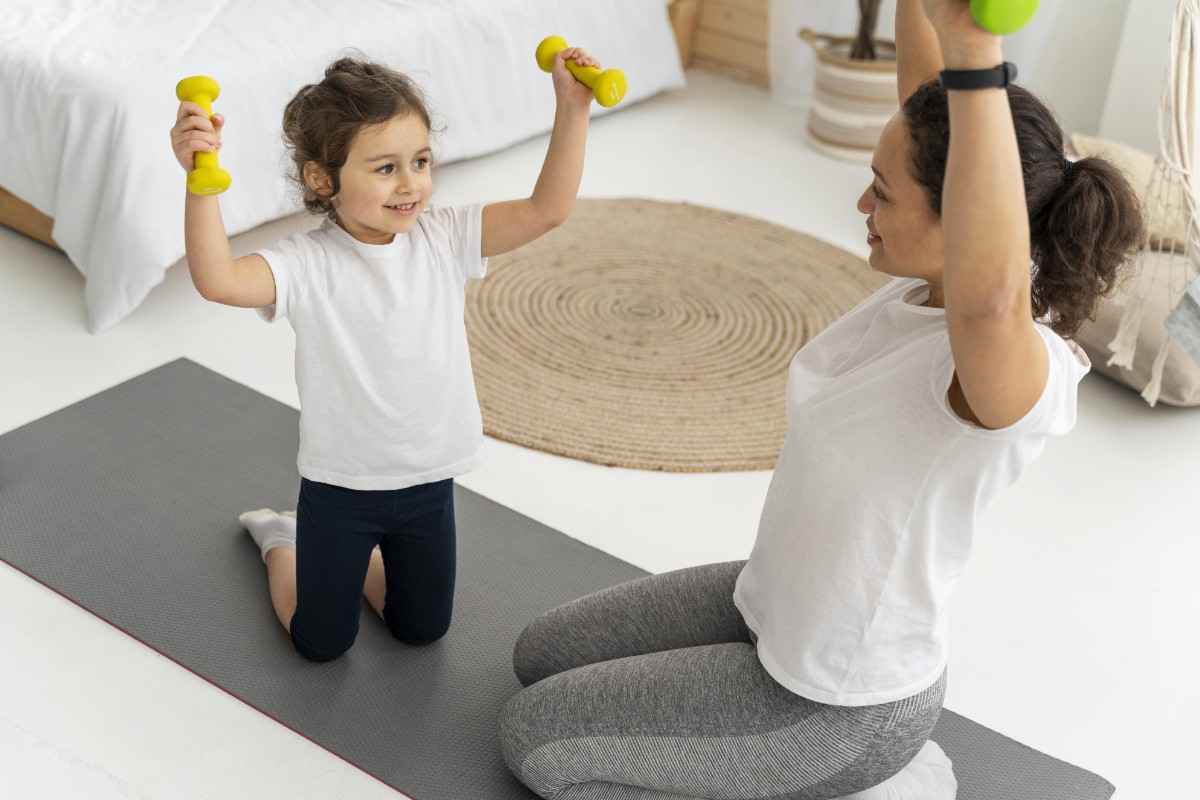
Screens are winning the battle for our children's attention, leading to a quiet crisis of physical inactivity. Every child needs 60 minutes of daily movement to build the heart, bone, and brain health they require for adulthood. This guide breaks down how to bypass common barriers like academic pressure and "tablet culture" to make fitness a natural, fun part of family life. At Aarogya Hastha Hospital, we help parents turn these early habits into a lifelong foundation for wellness.
We are living through a massive shift in how children spend their time. The "playground hour" has been largely replaced by the "streaming hour." In busy urban hubs, we see more kids with tablets than footballs. This isn't just a lifestyle change; it is a clinical concern. Sedentary habits in early childhood are directly linked to rising rates of pediatric obesity and metabolic shifts that were once only seen in adults.
At Aarogya Hastha Hospital, we act as a trusted pediatric health advisor for families navigating these challenges. Early physical activity isn't just about "burning off energy." It is a vital biological requirement. Scientific data is clear: children need at least 60 minutes of physical activity daily. Missing this mark impacts more than just fitness; it affects how a child’s brain and body mature.
Why Physical Activity is Essential for Children
Movement is the primary driver of a child’s development. It is the "fuel" for their growing systems.
- Physical Health: When a child runs or jumps, they aren't just playing. They are building bone density and strengthening the heart. Regular exercise lowers the risk of chronic issues like type 2 diabetes and high blood pressure, which are becoming more common in younger populations.
- Mental Health: Exercise is a powerful tool for emotional regulation. It releases endorphins that reduce stress and build a child’s internal sense of confidence. An active child is often a more resilient child.
- Academic Performance: This is the most overlooked benefit. Physical activity improves memory, sharpens attention, and helps the brain process information faster. A child who moves during the day is far more likely to focus during their evening studies.
Recommended Physical Activity by Age
Fitness needs to grow with the child. Following WHO and CDC guidelines, we categorize activity into these life stages:
- Ages 3–5: These years are about constant, unstructured motion. Preschoolers should be active throughout the day. Activities like tumbling, dancing, or playing in a sandbox help refine motor skills and coordination.
- Ages 6–17: The 60-minute daily rule becomes critical here. This hour should include a mix of:
- Aerobic Activity: Anything that gets the heart pumping—swimming, cycling, or running.
- Muscle Strengthening: Climbing trees, playing on jungle gyms, or even age-appropriate bodyweight exercises (3 days a week).
- Bone Strengthening: High-impact activities like skipping rope, basketball, or hopscotch that help build high-density bones (3 days a week).
Common Barriers to Physical Activity in Children
To fix the problem, we have to name the obstacles.
- The Digital Pull: Apps and games are designed to be addictive. They provide instant dopamine rewards that make physical play feel "boring" by comparison.
- The Academic Load: In many households, "study time" is protected while "play time" is considered optional. When a child is overloaded with homework, the first thing they sacrifice is their movement.
- Safety Concerns: Many parents in cities worry about traffic or lack of supervised play areas, keeping children indoors for safety.
- The Parental Mirror: If the adults in the house spend their leisure time on a sofa with a phone, the child will view that as the "normal" way to relax.
Practical Tips to Encourage Physical Activity in Children
- Make Physical Activity Fun: Forget the word "exercise." Call it a "mission," a "challenge," or just "play." If a child enjoys the activity—whether it's dancing to their favorite music or a game of tag—they will do it without being told.
- Be a Role Model: You are their first coach. If you go for a 15-minute walk, take them with you. Make fitness a family-based active lifestyle rather than a solo task for the child.
- Limit Screen Time: This is a non-negotiable step. Use gadgets as a minor treat, not the main event. Establish "tech-free" zones where play is the only option.
- Create a Daily Routine: Habit beats motivation. If the period between 5 PM and 6 PM is always "park time," the child will begin to look forward to it. Consistency removes the daily argument about going outside.
- Encourage Variety: Don't force a child into one sport. Let them rotate between cycling, swimming, yoga, or football. This builds different muscle groups and keeps the excitement alive.
- Provide Safe Play Environments: Scout for local parks, community centers, or even a safe driveway. If they have a dedicated "zone" to move in, they are more likely to use it.
- Reward & Motivate: Focus on effort, not performance. Praise them for trying a new move or finishing a long walk. Positive reinforcement builds a lasting love for movement.
Indoor vs. Outdoor Activities for Kids
A healthy lifestyle for children shouldn't stop because of rain or a busy city schedule.
- Indoor: When you can't go out, try indoor yoga, skipping ropes, or "active" video games that require standing and moving. Even a game of hide-and-seek inside the house counts toward those 60 minutes.
- Outdoor: Nothing beats the benefits of fresh air and sunlight. Cycling, running, and team sports provide the high-intensity aerobic work that children need for heart health. The key is to have a "menu" of activities for both settings so there is never an excuse to be sedentary.
Role of Parents and Schools
Building an active child is a team effort. While schools provide structured physical education, the heaviest influence is at home. Parents provide the daily encouragement and supervision that turns a school requirement into a personal habit. When parents and schools work together—such as participating in community sports or school track events—the child sees physical activity as a valued part of their world.
When to Consult a Doctor
Sometimes, a child’s lack of activity isn't just about laziness. It could be a signal of an underlying health issue. You should consult our specialists at the best hospitals in Bangalore if you notice:
- Signs of childhood obesity that seem resistant to diet changes.
- A significant lack of physical development or struggle with basic motor skills.
- Chronic fatigue where the child seems unusually out of breath after very light play.
- Complaints of persistent joint or muscle pain.
At Aarogya Hastha Hospital, we provide comprehensive pediatric healthcare services. As a leading hospital in Bellandur, Bangalore, we focus on evaluating your child’s unique growth chart to ensure their development is on track.
Conclusion
Building lifelong healthy habits starts during these early, impressionable years. Small daily changes—like a walk to the store or a 15-minute game of catch—create a massive long-term impact on your child's future. Ways to reduce sedentary lifestyle in kids don't have to be complicated; they just need to be consistent.
Take proactive steps today. Protect your child’s health by making movement a priority. Their future strength, focus, and confidence depend on the steps they take today.
If you have concerns about your child's fitness or growth, book a consultation with the pediatric team at Aarogya Hastha Hospital today.