



Childhood is a period of rapid physiological development, but it is also a time of high vulnerability. In 2026, shifting environmental patterns in Bangalore have led to a rise in pediatric respiratory and gastrointestinal cases. Understanding that a child’s immune system is a "work in progress" is vital for early intervention. Aarogya Hastha Hospitals provides a 24/7 safety net through specialized Emergency Medicine and Pediatric Critical Care, ensuring that common infections are managed before they become life-threatening complications.
1. Why Child Health Requires Special Attention
A child is not merely a "small adult." Their physiology is unique, their metabolic rates are higher, and their immune systems are still "learning" to recognize pathogens. Early detection of illness is not just about comfort; it is about preventing developmental setbacks. At Aarogya Hastha Hospitals, our commitment to pediatric wellness focuses on proactive screening and immediate, child-friendly intervention across our centers, including hospitals in Kasavanahalli and Sarjapur Road.
2. Understanding the Developing Immune System
Children frequently fall sick because they are "immunologically naive." Every cold or viral bout is essentially a training session for their white blood cells.
- The "Window of Vulnerability": Between the loss of maternal antibodies and the full maturation of their own immune system, children are prone to recurrent infections.
- Building Resistance: Immunity is a triad of Nutrition (fuel), Vaccination (instruction), and Hygiene (protection).
3. Common Childhood Illnesses
3.1 Common Cold & Flu
Viral upper respiratory infections are the most frequent visitors in any household.
- Symptoms: Runny nose, sneezing, mild cough, and irritability.
- Home Care: Hydration is paramount. Use saline drops for nasal congestion.
- The Hospital Trigger: If the "cold" persists beyond 10 days or is accompanied by a high-grade fever, it may have transitioned into a secondary bacterial infection.
3.2 Fever: Myths vs. Facts
Fever is a symptom, not a disease. It is the body’s way of "cooking" the virus.
- Myth: A high fever will always cause brain damage.
- Fact: Most fevers are harmless unless they are exceptionally high (above 104°F) or associated with a stiff neck.
- Safe Practice: Never give aspirin to a child; use paracetamol or ibuprofen as directed by your pediatrician at hospitals in Sarjapur Road.
3.3 Respiratory Infections (Cough, Bronchitis, Pneumonia)
Bangalore's air quality often triggers pediatric respiratory distress.
- Warning Signs: "Retractions" (skin pulling in between the ribs), flared nostrils, and wheezing.
- Treatment: At Aarogya Hastha Hospitals, we utilize advanced nebulization and oxygen support to manage acute bronchitis and pneumonia effectively.
3.4 Ear Infections (Otitis Media)
Young children have shorter, more horizontal Eustachian tubes, making it easy for fluid to get trapped.
- Symptoms: Tugging at the ear, unexplained crying, and fluid drainage.
- Prevention: Avoid bottle-feeding while the baby is lying flat on their back.
3.5 Gastroenteritis (Stomach Flu)
The primary risk here is dehydration.
- The ORS Rule: For every loose stool or vomiting episode, replenish with Oral Rehydration Salts (ORS).
- Avoid: Highly sugary juices or caffeinated drinks, which can worsen diarrhea.
4. Preventive Measures Every Parent Should Follow
4.1 Hygiene & Daily Habits
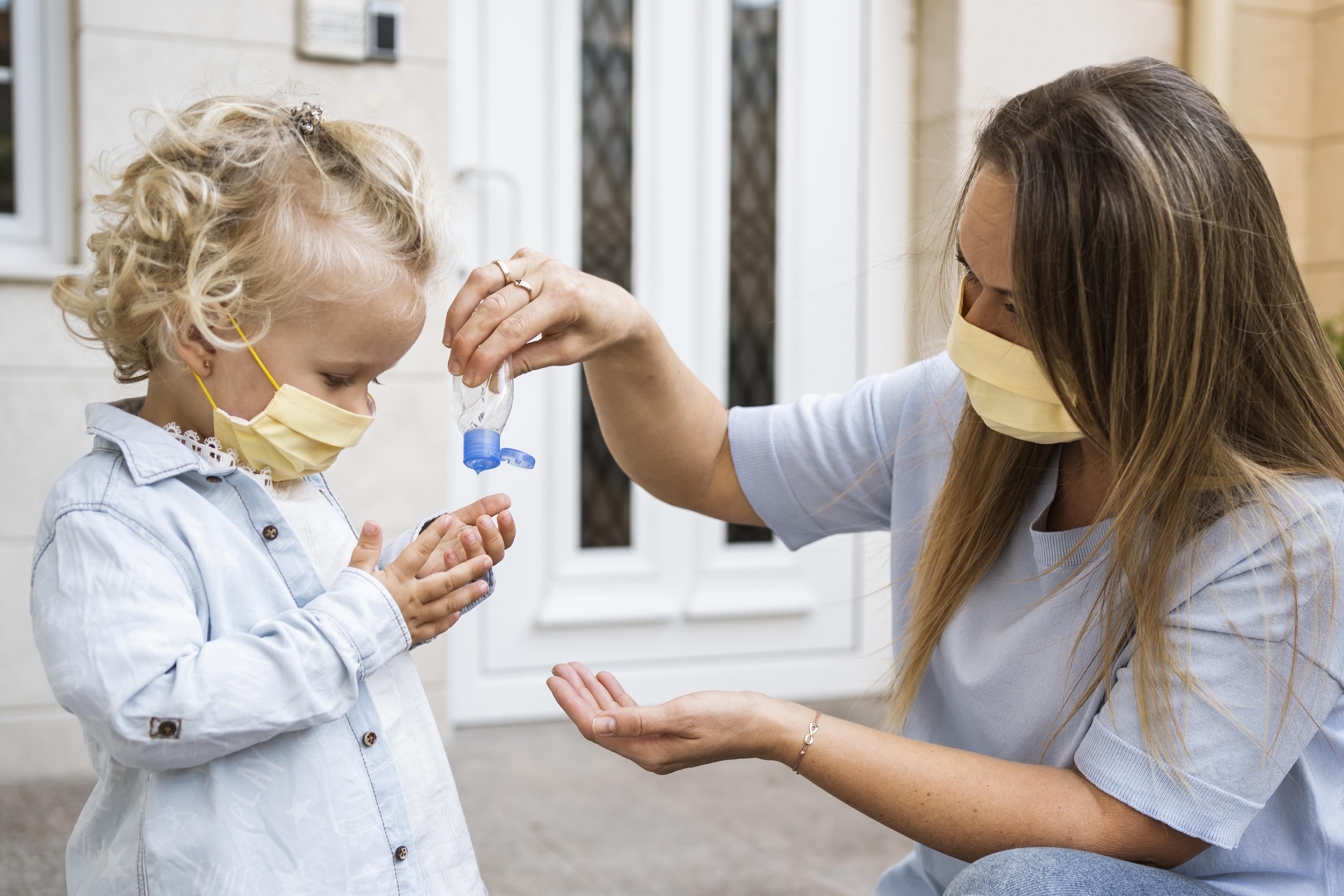
Handwashing remains the "gold standard" of prevention. Teach children the "20-second rule" before meals and after playtime. Ensure a clean home environment, particularly focusing on frequently touched surfaces like doorknobs and toys.
4.2 Balanced Nutrition
Immunity isn't found in a supplement bottle; it's found on the plate.
- Proteins: Essential for building immune cells.
- Vitamin C & Zinc: Found in citrus fruits, amla, and nuts.
- Hydration: Water facilitates the movement of lymph, which carries immune cells throughout the body.
4.3 Vaccinations: The Shield of Protection
Vaccines are the single most effective way to prevent "killer" diseases like Polio, Meningitis, and Measles. Aarogya Hastha Hospitals follows the 2026 IAP (Indian Academy of Pediatrics) immunization schedule, providing painless vaccines and digital tracking for parents.
4.4 Regular Health Check-ups
A "Well-Child" visit is different from a "Sick-Child" visit. These check-ups focus on:
- Growth Tracking: Ensuring weight and height are on the right percentile.
- Developmental Milestones: Monitoring speech, motor skills, and social behavior.
5. When to Seek Medical Help: The Red Flags
Parents must trust their instincts, but these clinical "Red Flags" require immediate ER visits:
- Difficulty Breathing: Bluish tint around the lips or gasping for air.
- Severe Dehydration: No wet diapers for 8+ hours or sunken eyes.
- High Fever in Infants: Any fever in a baby under 3 months is an emergency.
- Lethargy: If the child is unusually sleepy and difficult to wake.
6. How Aarogya Hastha Hospital Supports Your Child’s Health
We understand that a hospital visit can be scary for a child. Our pediatric wing is designed to be a "No-Fear Zone."
- Specialized Faculty: Experienced pediatricians, neonatologists, and pediatric surgeons.
- 24/7 Emergency Medicine: Immediate response for trauma or acute respiratory failure.
- Critical Care: NICU and PICU facilities equipped with 2026-grade monitoring technology.
7. Conclusion
Caring for a little one is a journey of vigilance and love. While childhood illnesses are inevitable, their complications are not. By prioritizing hygiene, staying updated on vaccinations, and knowing when to seek professional help, you provide your child with the strongest possible foundation for life.
If your child shows signs of illness or is due for a check-up, visit the experts at Aarogya Hastha Hospitals. We are more than just a hospital; we are your partners in parenting.