




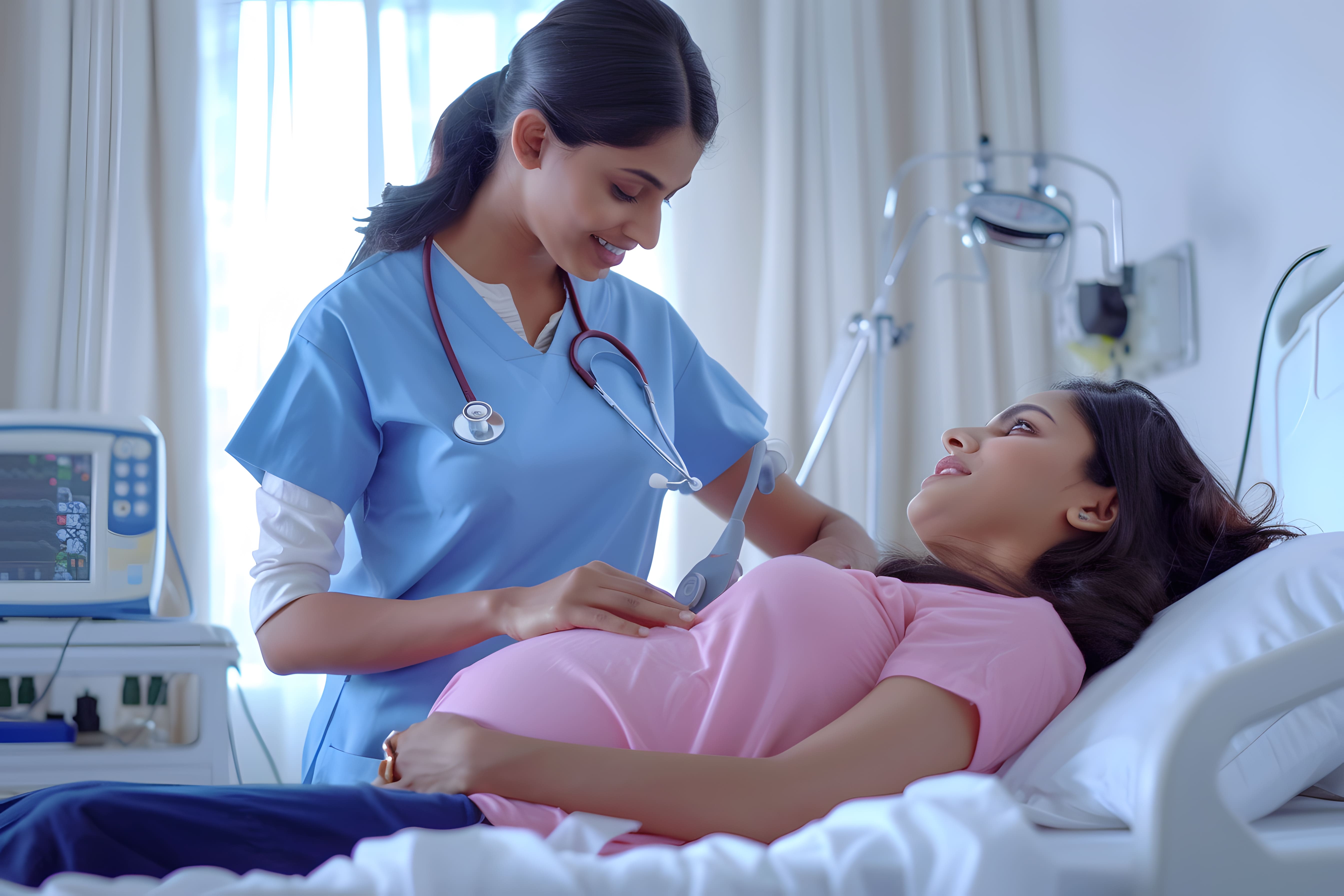
Welcoming a new life into your family is always filled with joy, enthusiasm, and the dream of becoming a mother. However, the journey to motherhood is not as easy as it appears. It demands patience, care, and the right medical guidance to ensure the safety of both the mother and the baby. Many women often think maternity care starts only after conception, but that’s not true. It’s a journey that begins even before pregnancy and continues long after childbirth.
In India, maternal mortality has declined significantly—from 384 deaths per 100,000 live births in 2000 to 88 in 2023. Yet, approximately 22,500 maternal deaths still occur annually, highlighting that while progress has been made, comprehensive maternity care remains crucial.
At Aarogya Hastha Hospitals, one of the best hospitals in Bangalore, our goal is to make this entire experience safe and comfortable through a complete maternity care plan—covering every stage from preconception to postpartum period recovery tips. So, if you’re planning to start a family, this guide will help you understand how to stay healthy and well-prepared at every step.
Why Does a Healthy Body Matters Before Pregnancy?
When a girl hits puberty, her body undergoes several physical and emotional changes. These early changes are the foundation of her reproductive health. It’s important to create awareness at this stage because young girls often hesitate to discuss their problems openly. Parents should encourage communication and ensure proper care so that their daughters grow into healthy women.
A healthy body before conception means fewer risks later. If you maintain a good diet, manage stress, and avoid harmful habits, your body stays fertile and ready for a smooth pregnancy. Early attention to overall health guarantees that both the mother and child remain safe throughout the process.
Importance Of Staying Healthy During Preconception
Preconception care plays a crucial role in ensuring a successful pregnancy. It’s not just about getting pregnant—it’s about preparing your body to carry life safely. Many health issues, such as hormonal imbalance, PCOS, or thyroid problems, can delay or complicate conception. Therefore, addressing them early can make all the difference.
In Bengaluru, many couples face conception challenges due to lifestyle stress, irregular schedules, and demanding professional commitments. The fast-paced urban lifestyle often leads to delayed childbearing, inadequate nutrition, and chronic stress—all factors that impact fertility and pregnancy outcomes.
In Bengaluru, many couples face conception challenges due to lifestyle stress and irregular schedules. That’s why Aarogya Hastha Hospitals focuses on preconception consultations and health tips, helping women understand their bodies better and take preventive measures for a safe journey toward motherhood.
Should You Get a Preconception Screening Test?
Yes, absolutely. A preconception screening test helps determine your chances of a healthy pregnancy and detects any hidden risks. It is a medical assessment that checks your body’s readiness for conception.
Tests usually include:
- Genetic and carrier screening
- Thyroid, hormone, and vitamin level checks
- Screening for infections like Rubella, Hepatitis B, or HIV
- Review of immunization status
- Evaluation of chronic conditions like diabetes or hypertension
Getting this done at a trusted center like Aarogya Hastha Hospitals ensures early detection of health concerns and proper guidance for planning your pregnancy safely.
Supplements, Diet & Lifestyle Before Conception
Your diet before conception has a huge impact on fertility and pregnancy outcomes. Eating healthy foods during pregnancy and taking the right supplements strengthen your body to support a growing baby.
Key supplements recommended:
- Folic acid (400–800 mcg): Prevents birth defects.
- Iron and calcium: Strengthen bones and blood health.
- Vitamin D and B12: Support hormonal balance and immunity.
Apart from supplements, focus on:
- A diet rich in fruits, leafy greens, whole grains, and protein.
- Avoiding alcohol, caffeine, and processed foods.
- Regular exercise, sound sleep, and stress management.
These small changes make your body more receptive to conception and reduce pregnancy-related risks.
Timing, Fertility Assessment & Counseling
If you've been trying to conceive for a while without success—typically defined as 12 months for women under 35 or 6 months for women over 35—it might be time to undergo a fertility assessment. It helps identify ovulation patterns, hormonal balance, and reproductive health issues that may be preventing conception.
Doctors at Aarogya Hastha Hospitals often recommend:
- Ovulation tracking and hormonal testing
- Ultrasound imaging to assess uterine and ovarian health
- Fertility counseling to understand conception timing and natural cycles
Such early evaluation not only saves time but also reduces mental stress, offering clarity and support in your journey toward motherhood.
Early Pregnancy: From Positive Test to First Trimester
The first trimester marks the beginning of a new life within you. Once your pregnancy is confirmed, schedule your first antenatal visit immediately. Doctors will review your medical history, recommend lab tests, and conduct an initial ultrasound.
First Visit Typically Includes:
- Complete medical and obstetric history
- Physical examination and baseline vital signs
- Blood tests: complete blood count, blood group and Rh factor, thyroid function, blood sugar, infectious disease screening
- Urine analysis for infections and protein
- Dating ultrasound to confirm gestational age
- Calculation of expected delivery date
- Discussion of Preconception health tips that now become prenatal guidelines
During this phase:
- Take prenatal vitamins regularly.
- Eat small, frequent meals to manage nausea.
- Get enough rest and stay hydrated.
- Avoid heavy lifting and long travels.
Early pregnancy can be challenging, but consistent medical checkups and lifestyle discipline make it manageable and safe.
Nutrition & Safe Practices in Early Pregnancy
Your nutritional needs increase once you conceive. Include foods that are natural sources of protein, calcium, and vitamins.
Diet tips for the first trimester:
- Add dairy products, pulses, and iron-rich vegetables.
- Avoid raw fish, unpasteurized milk, and excess caffeine.
- Drink at least 8–10 glasses of water daily.
Maintain hygiene, avoid stress, and consult your doctor before taking any over-the-counter medicines. Aarogya Hastha’s maternity experts guide you through every dietary requirement to ensure optimal maternal mental health and fetal health.
Mid and Late Pregnancy (2nd & 3rd Trimester)
This stage involves frequent visits to your doctor to monitor the baby’s growth and the mother’s health. Regular scans, blood pressure checks, and weight monitoring are essential.
Regular Monitoring Includes:
- Routine antenatal visits: Monthly until 28 weeks, then bi-weekly until 36 weeks, then weekly
- Fetal growth scans: Anomaly scan at 18-22 weeks, growth scans in the third trimester
- Blood pressure and weight monitoring at every visit
- Urine tests to check for protein and infections
- Glucose tolerance test at 24-28 weeks to screen for gestational diabetes
- Doppler studies to assess blood flow to the baby if needed
Screening for Pregnancy-Related Conditions:
- Gestational diabetes: Affects 10-20% of pregnant women in India and requires dietary management
- Preeclampsia: High blood pressure with protein in urine, requiring close monitoring
- Anemia: Common in Indian women; iron supplementation is crucial
- Infections: UTI, Group B Streptococcus screening in late pregnancy
High-Risk Pregnancy Considerations:
Factors such as severe bleeding (47.0%), pregnancy-related complications (19.6%), infection or sepsis (12.0%), pregnancy-induced hypertensive disorders (7.0%), and abortions (5.0%) are leading causes of maternal deaths in India. If your pregnancy is classified as high-risk due to maternal age, multiple pregnancies, chronic conditions, or previous complications, specialists at Aarogya Hastha Hospitals offer personalized monitoring and advanced care to ensure both mother and baby care stay safe until delivery through multi disciplinary approach
Preparing for Labor & Delivery
As your due date approaches, mental and physical preparation becomes vital. You can draft a birth plan with your doctor, mentioning your preferences for pain relief and delivery mode.
Useful preparation tips:
- Attend antenatal classes for breathing and relaxation techniques.
- Visit the hospital to understand the delivery setup.
- Keep your maternity bag ready with essentials.
- Discuss options like an epidural or a natural birth.
Understanding these aspects beforehand helps reduce anxiety and ensures a smooth delivery experience.
Labor & Delivery: What to Expect
Labor begins with contractions, back pain, or water breaking. Always stay alert for these signs and contact your hospital immediately. During delivery, doctors monitor both the baby’s heartbeat and your contractions.
Pain management options may include:
- Breathing and relaxation methods
- Epidural anesthesia
- Warm compresses or water therapy
At Aarogya Hastha Hospitals, our labor rooms are designed to provide complete comfort and medical support so that your delivery remains safe and memorable.
Postpartum Recovery & Early Motherhood
Postpartum recovery is as crucial as pregnancy itself. The body needs time to heal after delivery, both physically and emotionally. In the first few weeks, mothers may experience fatigue, bleeding, or mood swings. It’s essential to rest, eat well, and avoid overexertion and have a proper pregnancy health plan.
Focus on:
- Proper wound care if you had a C-section.
- Gentle exercises and pelvic floor strengthening.
- Staying hydrated and eating protein-rich meals.
This phase also brings new responsibilities, such as caring for your newborn while adapting to changes in your body.
Breastfeeding, Infant Feeding & Lactation Support
Breastfeeding helps strengthen the bond between mother and baby while providing the best nutrition. However, it can be challenging for new mothers. Aarogya Hastha’s lactation experts assist with correct positioning, latching, and feeding schedules.
If you face issues like sore nipples, low milk supply, or engorgement, consult your doctor early. Remember, every mother’s journey is unique—so don’t hesitate to ask for help or guidance whenever needed.
Emotional & Mental Health After Delivery
Emotional changes after childbirth are common. Some mothers experience anxiety, mood swings, or even postpartum pregnancy depression. Mental health support during this phase is vital.
At Aarogya Hastha, we encourage open discussions, counseling sessions, and support groups to help new mothers adjust comfortably. Sharing your emotions and getting professional advice can make recovery faster and easier.
Conclusion: Ready to Begin Your Journey Safely?
Maternity care is a journey that goes far beyond pregnancy—it’s about nurturing a woman’s health through every stage of motherhood. From preconception planning to postnatal recovery, each phase needs care, patience, and expert guidance.
At Aarogya Hastha Hospitals, we ensure that every mother receives comprehensive maternity care—combining modern medical technology with compassion. If you are planning to conceive or expecting soon, let us help you make this experience safe, joyful, and stress-free.
Book your consultation today at Aarogya Hastha Hospitals—one of the best hospitals in Bangalore for complete maternity and full body health checkups in Bengaluru.
Because your motherhood journey deserves care that’s as special as you are.