


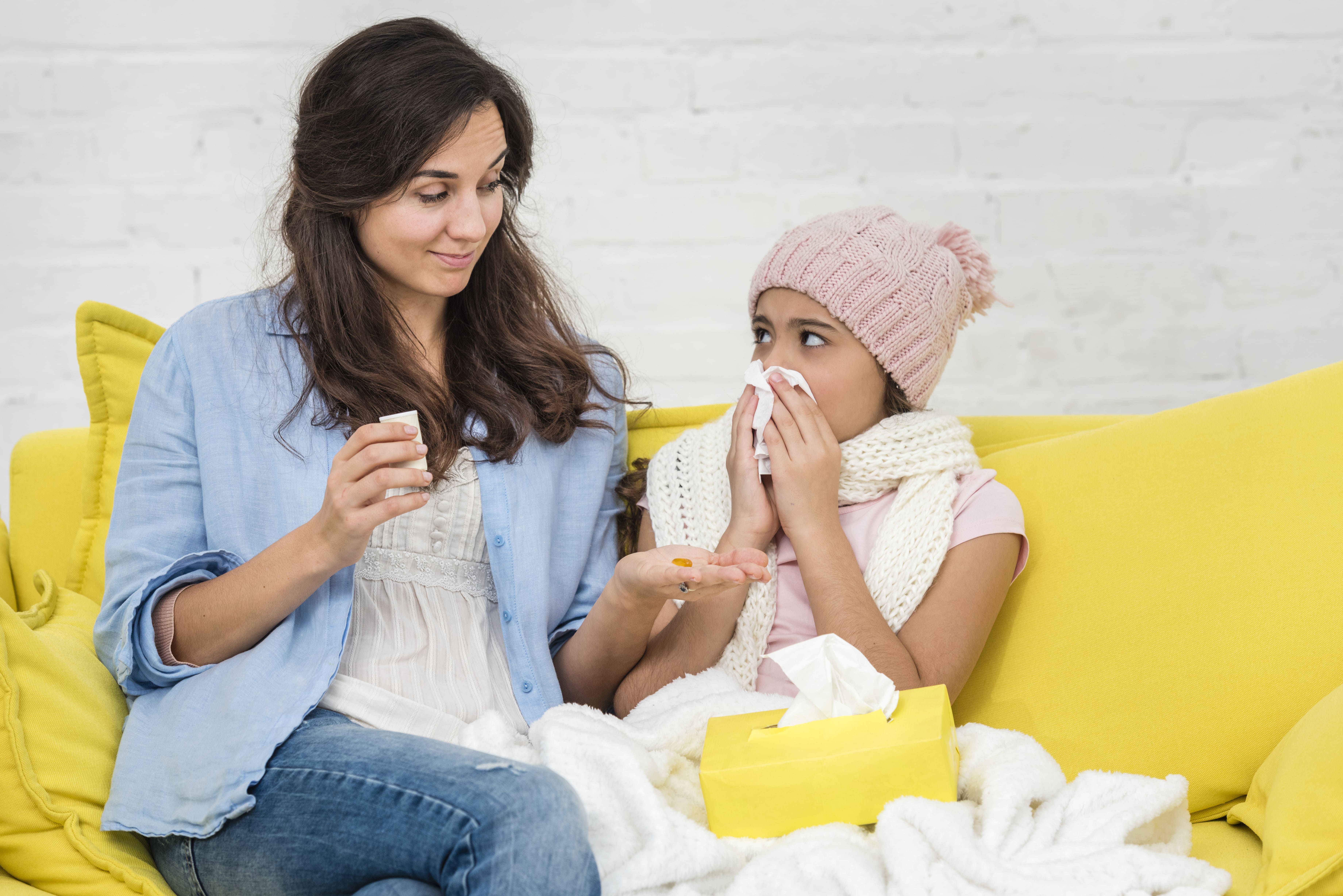
When Everyday Things Trigger Unexpected Reactions
It often starts with something small — a few sneezes after playtime, a rash after trying a new snack, or watery eyes that seem harmless at first. But for many children, these “minor” reactions can hint at something more: an allergy.
In simple terms, childhood allergies happen when the immune system mistakes everyday substances like pollen, milk, or dust as harmful invaders. The body then overreacts in the form of sneezing, itching, swelling, or worse. While these responses can seem confusing or even alarming for parents, they’re becoming increasingly common, especially in fast-paced urban environments like Bengaluru, where pollution, lifestyle habits, and environmental exposure play a role.
Understanding how allergies work — their causes, symptoms, and treatments — can help parents make informed choices and give their children a healthier, happier life.
What Exactly Are Childhood Allergies?
At its core, an allergy is the body’s overprotective response to something harmless. When an allergen — such as pollen, pet dander, or a food protein — enters the body, the immune system treats it like a threat. To “defend” itself, it releases chemicals like histamine, which cause itching, redness, sneezing, or swelling.
This is very different from infections, where viruses or bacteria are the actual culprits. In allergies, the trigger is not dangerous, it’s simply misunderstood by the body.
That’s why pediatric allergists play a vital role. They help identify what’s causing the reaction and design treatments that allow children to live comfortably, without fear of flare-ups.
Top Causes of Allergies in Children
Allergies can come from almost anything in a child’s environment. Understanding these triggers is the first step to prevention.
1. Food Allergies
Common food allergens include milk, eggs, peanuts, tree nuts, wheat, soy, and shellfish.
Reactions can range from mild skin irritation to serious breathing difficulty (anaphylaxis). Parents should always check ingredient labels and inform schools about known allergies.
2. Environmental Allergies Please Change the order of the causes as mentioned as Environmental Allergies & Food Allergies.
Everyday particles such as dust mites, pollen, mold, and pet dander can irritate a child’s airways. Bengaluru’s humid weather and pollution often make these triggers more active year-round.
3. Skin Allergies
Contact with harsh soaps, detergents, insect bites, or certain fabrics can cause eczema or hives. These reactions are typically itchy and may flare up repeatedly if the cause isn’t addressed.
4. Seasonal Allergies
Seasonal changes — especially during spring and monsoon — can trigger sneezing, congestion, or watery eyes due to increased pollen and mold levels. These are common seasonal allergy symptoms in kids living in tropical cities like Bengaluru.
5. Genetic and Lifestyle Factors
If one or both parents have allergies, the chances rise significantly for their children. Add to that the influence of indoor air pollution, processed foods, and limited outdoor play, and the risk multiplies.
Common Symptoms of Allergies in Kids
Recognising symptoms early helps in managing allergies before they escalate. Here are the key signs to watch for:
- Respiratory symptoms: frequent sneezing, runny or blocked nose, itchy eyes, or nasal congestion (often linked with allergic rhinitis).
- Skin symptoms: redness, dry patches, eczema, or hives that appear suddenly.
- Respiratory distress: coughing, wheezing, or shortness of breath, especially in asthma-related allergies.
- Digestive issues: stomach cramps, vomiting, or diarrhea after eating certain foods.
If a child develops severe breathing problems, swelling of lips or tongue, or persistent vomiting, parents should seek emergency care immediately. Otherwise, consulting a pediatrician for recurring or unexplained symptoms is the best step forward.
How Doctors Diagnose Childhood Allergies
Diagnosing allergies requires careful observation and testing. At Aarogya Hastha Hospitals, pediatricians and allergists take a detailed medical history, looking for patterns between symptoms and exposures.
The diagnostic process may include:
- Skin Prick Test: Small drops of suspected allergens are applied to the skin to see which ones cause a reaction.
- Blood Test (IgE Test): Measures antibody levels that rise during allergic responses.
- Elimination Diet: For food allergies, removing and reintroducing specific foods helps identify triggers safely.
Self-diagnosing or using over-the-counter remedies can mask symptoms and delay proper care. That’s why expert evaluation from a certified pediatric allergy specialist is essential.
Treatment Options for Childhood Allergies
Allergy management aims to control symptoms and prevent flare-ups rather than “cure” the condition overnight.
Here’s how doctors help children breathe, eat, and live freely again:
- Medications: Antihistamines, nasal sprays, and corticosteroids reduce inflammation and ease discomfort.
- Allergen Avoidance: Simple lifestyle tweaks like using air purifiers, changing bedding weekly, and keeping pets away from bedrooms make a huge difference.
- Immunotherapy (Allergy Shots): For children with severe or persistent allergies, gradual exposure therapy trains the immune system to become less reactive over time.
- Emergency Action Plans: Families of children with food allergies are often prescribed epinephrine auto-injectors for emergencies.
The key lies in personalized treatment plans, which is where pediatric specialists at Aarogya Hastha Hospitals excel, blending medical precision with compassionate care.
Allergy Care Tips for Parents
Parents are the first line of defense against allergies. Here are practical tips to create a safer, allergy-friendly environment at home:
- Keep indoor air clean: Use HEPA filters and avoid smoking indoors.
- Teach children awareness: Help them identify and avoid triggers confidently.
- Maintain a food and symptom diary: Note what your child eats and any reactions that follow.
- Encourage healthy routines: Balanced diet, hydration, and regular play boost immunity.
- Stay consistent with checkups: Regular visits to a trusted pediatrician in Sarjapur Road or your area ensure proper monitoring and timely adjustments to treatment.
Can Childhood Allergies Be Prevented?
Prevention isn’t always possible, but risk reduction certainly is.
During pregnancy and infancy, exclusive breastfeeding for the first six months helps build stronger immunity. Introducing solid foods gradually, avoiding unnecessary antibiotics, and maintaining good hygiene all play a role.
Vaccinations, proper nutrition, and early screening offered at multispeciality hospitals in Bengaluru like Aarogya Hastha Hospitals help parents stay one step ahead of potential allergic conditions.
When to See a Pediatric Allergy Specialist
Parents should seek medical attention if their child:
- Experiences persistent cough, rashes, or digestive issues.
- Has recurrent breathing difficulties or frequent hospital visits.
- Shows worsening symptoms despite home care or medication.
If your child shows any of these signs, it’s time to consult a pediatric allergy specialist.
Helping Children Live Allergy-Free and Happy Lives
Allergies can be challenging, but with awareness, early diagnosis, and consistent care, children can lead completely normal lives. The goal should not be limited to just treat symptoms, it’s to help every child feel confident, active, and unrestricted.
At Aarogya Hastha Hospital, specialists combine medical expertise with empathy to ensure every child receives the attention and comfort they deserve. Because here, care goes beyond treatment — it’s about helping children grow, play, and dream without hesitation.
Book a Pediatric Allergy Consultation Today
Our experienced pediatricians and allergy specialists at Aarogya Hastha Hospitals provide comprehensive diagnosis, treatment, and care for children with allergies.
Schedule an appointment today to ensure your child’s comfort, safety, and long-term wellbeing.